

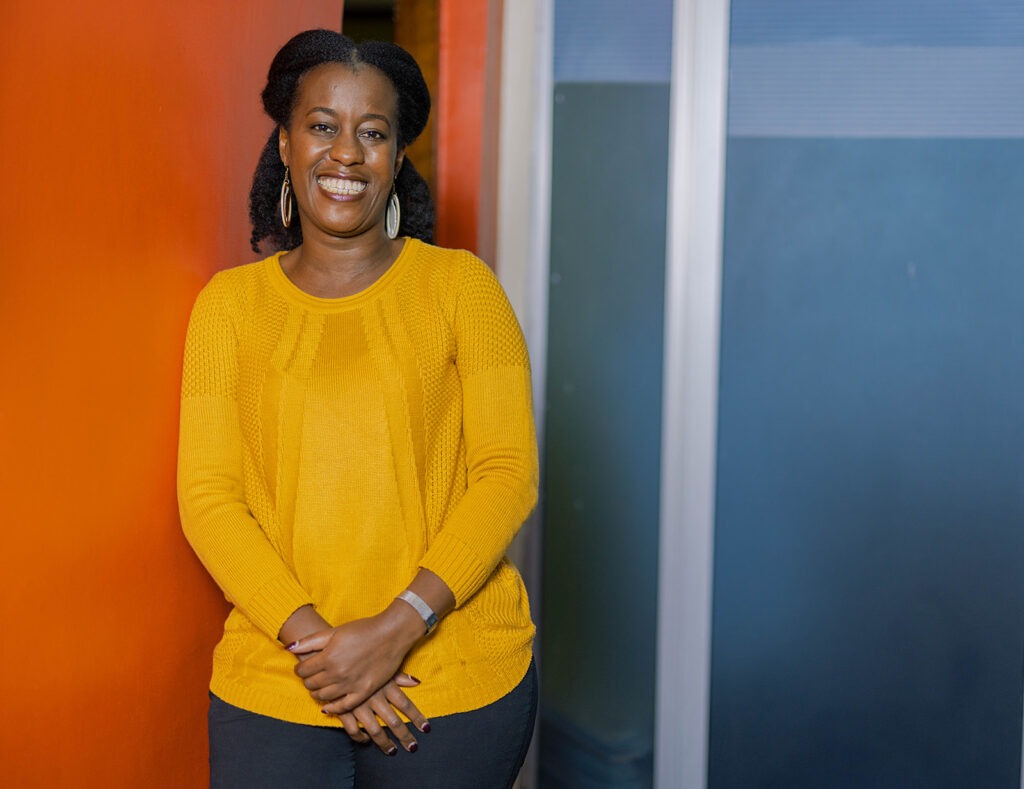
As Report for the World continues to grow, we’re excited to welcome Virginiah Gitome to the team as our Program and Operations Director.
With years of experience supporting media organisations, fostering collaboration, and strengthening journalism ecosystems across Africa and beyond, they bring valuable insight into what it takes for independent journalism to succeed. We spoke about their career, what inspires their work, and what they’re most looking forward to in their new role.
Can you tell us a bit about your background—where you’re from and what brought you into journalism in the first place?
I’m from Kenya, and while I didn’t come into this field as a journalist, my career has been deeply tied to the ecosystems that make good journalism possible , building newsroom capacity, designing programs, and forging partnerships that help impactful reporting reach the people who need it. Living in regions where critical issues go underreported made it clear to me that strong reporting depends on strong systems, and that’s where I’ve focused my energy.
What inspired you to join Report for the World, and what does our mission mean to you personally?
What drew me to RFW was its commitment to sustainable, community-rooted journalism rather than one-off interventions. The model reflects something I genuinely believe in , that lasting impact is built on trust, and that local journalists are best placed to understand and serve their communities. At a time when many information ecosystems are under real pressure, being part of an organisation doing this work feels both timely and meaningful.
What specific skills or networks are you bringing to RFW?
I bring experience in program strategy, operational management, and stakeholder partnerships across media and development spaces. I also come with a network of civil society actors, media support organisations, and regional collaborators, relationships I hope to use to open doors for cross-learning, resource mobilisation, and the kind of collaboration that helps journalists pursue ambitious stories.
Which of RFW’s core values resonates most with you, and why?
Locally grounded storytelling. Journalism works best when it reflects the realities of the communities it serves, not assumptions from the outside. I’m also drawn to RFW’s long-term perspective , the recognition that building resilient media ecosystems requires sustained investment, not just short bursts of attention.
How do you envision your role evolving here?
I hope to grow into a role that bridges operational insight with strategic thinking. In the near term, that means supporting planning processes, learning from colleagues and partners, and helping strengthen the structures that allow the program to scale. Over time, I’d like to contribute to models that make a clear case for what sustained investment in local journalism can actually achieve.
What excites you most about working in journalism today?
The field’s ability to adapt, honestly. Despite real pressures, journalism keeps finding new ways to collaborate, engage audiences, and tell stories that matter. I’m particularly energised by work in underserved contexts, when communities gain access to credible reporting that reflects their lives, it can shift decisions, strengthen accountability, and open up space for real public dialogue.
Can you share a powerful or memorable moment from your career so far?
One moment that stays with me is seeing sustained support to a reporting initiative gradually bring renewed public attention to an issue that had long been ignored. Watching journalists persist with a complex story, and then watching that story slowly shape community conversation, was a real reminder that impact is cumulative. It doesn’t always happen fast, but consistent, credible reporting moves things.
A particularly memorable example was supporting an initiative in West Africa that brought together social influencers and community leaders to help foster more constructive public dialogue. While the project itself was time-bound, one of its most meaningful outcomes was the emergence of a cross-border community of practice that has continued to grow and collaborate across the Sahel long after the programme ended. Seeing a short-term intervention evolve into a self-sustaining regional network reinforced my belief that the most meaningful impact often extends well beyond the life of a single project.
Looking ahead, what kinds of stories are you most eager to help bring to light?
Stories that connect global challenges to local realities especially on governance and social inclusion. These issues shape everyday life in ways that mainstream narratives often miss. I’m also keen to see more solutions-focused reporting: stories that hold institutions accountable while also spotlighting what communities are doing to move forward.
What message would you like to share with our community and supporters?
Grassroots journalism keeps public conversation honest and inclusive, and it doesn’t survive without deliberate support. Following local reporters, sharing credible work, and backing media initiatives all make a difference. RFW shows what’s possible when collaboration and trust guide investment in the field, and I’m glad to be part of that effort.