

Highlighting the fearless voices shaping journalism: Azeefa Fathima sheds light on caste, crisis, and community through her reporting, embodying the power of women in media.
Azeefa Fathima is a distinguished Indian journalist and senior reporter at The News Minute (TNM), widely recognized for her in-depth reporting on social justice, human rights, and marginalized communities in South India. With a career spanning over several years, Azeefa has carved a niche for herself through her meticulous investigative work and sensitive storytelling, especially on issues related to caste, gender, LGBTQIA+ rights, and mental health. Her work is characterized by an unwavering commitment to giving a voice to communities that are often overlooked by mainstream media, reflecting both a profound sense of social responsibility and a dedication to journalistic integrity.
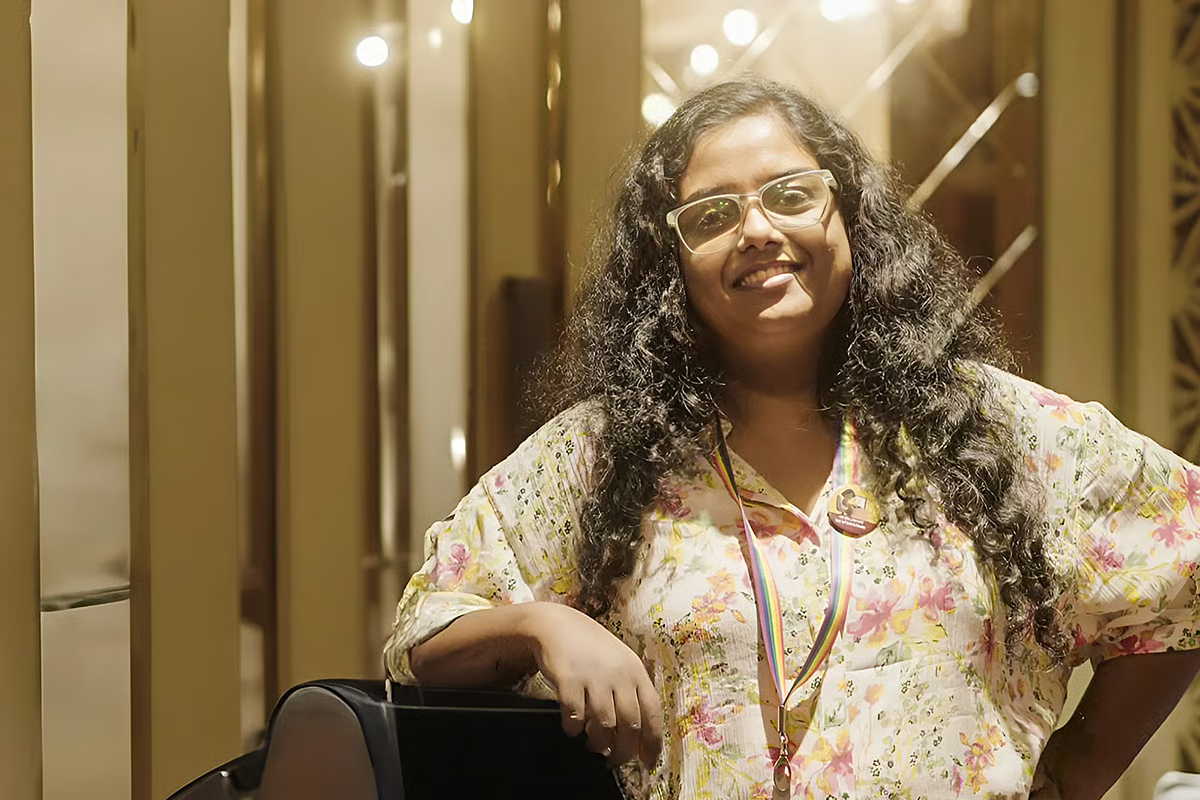
Azeefa’s approach to journalism is deeply rooted in empathy and rigorous research. She consistently demonstrates a keen understanding of the structural and systemic issues that shape the lives of marginalized populations, particularly within the complex caste dynamics of South India. Her reporting goes beyond surface-level narratives, providing audiences with nuanced insights into the socio-political realities of the communities she covers. This dedication to depth and context has earned her recognition, including the prestigious Ramnath Goenka Award for Excellence in Journalism and the Project SIREN Award in 2024 for responsible reporting on sensitive topics like teenage suicides.
The Vimeo video titled “Azeefa Fathima TNM” offers a compelling window into her methodology and journalistic philosophy. In this recording, Azeefa elaborates on her approach to reporting on caste, highlighting the ethical considerations, cultural sensitivities, and community engagement strategies that inform her work. She emphasizes the importance of building trust with sources, ensuring accurate representation, and contextualizing stories within broader socio-political frameworks. The video underscores how her reporting does not merely recount events but seeks to illuminate the systemic issues that underlie social inequalities, making her work a significant contribution to public understanding of complex societal challenges.
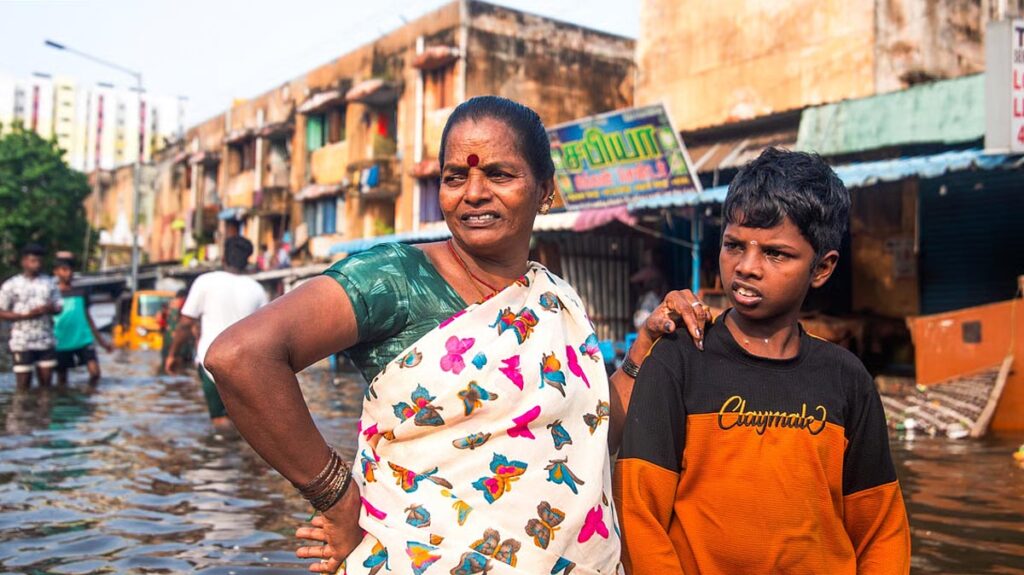
A prominent example of Azeefa’s impactful reporting is her coverage of the Chennai floods, which occurred a few years ago and caused widespread devastation across Tamil Nadu. During this crisis, Azeefa focused on how marginalized communities, particularly those from lower caste backgrounds, were disproportionately affected. She documented their struggles for basic resources, access to relief, and recognition from authorities, highlighting the intersection of caste and vulnerability during natural disasters. Her coverage went beyond standard reporting on damage and logistics, capturing personal stories, systemic neglect, and the resilience of affected communities. By centering her narrative on those often sidelined in mainstream accounts, Azeefa’s work provided a critical lens on the social inequities that the floods both exposed and exacerbated.
In addition to her flood reporting, Azeefa’s broader work at TNM consistently reflects her commitment to elevating marginalized voices. She frequently covers human rights issues, caste-based discrimination, gender inequality, and social justice movements, often producing long-form investigative pieces that require extensive fieldwork, interviews, and data analysis. Her ability to navigate sensitive topics with care, combined with her skill in presenting complex issues in an accessible manner, has made her a respected figure among peers and readers alike.
Azeefa Fathima’s journalistic journey exemplifies the power of responsible, community-centered reporting. Her focus on caste dynamics, particularly in the context of crises like the Chennai floods, demonstrates how journalism can illuminate structural inequities while amplifying the voices of those most affected. The Vimeo video serves not only as a showcase of her professional approach but also as a resource for aspiring journalists seeking to understand the intricacies of reporting on socially sensitive issues. Through her work, Azeefa continues to challenge conventional narratives, advocate for marginalized communities, and contribute meaningfully to public discourse on social justice in India.