

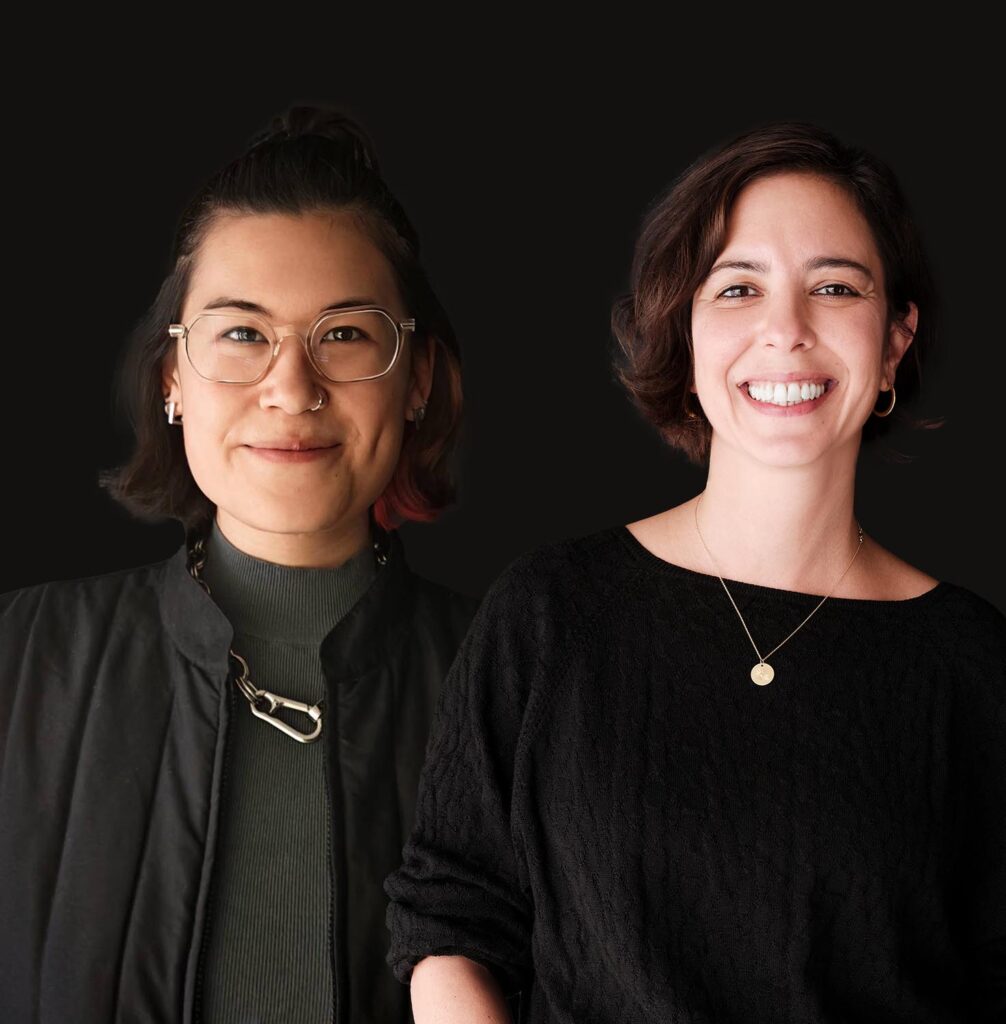
What does it mean to build impact into journalism—not chase it after publication? At Lighthouse Reports, this question shapes every stage of the reporting process, from early ideation to distribution and engagement. Their work challenges conventional newsroom practices by embedding collaboration, audience awareness, and accountability into the DNA of investigative reporting.
In this Q&A, Tessa Pang and Ariadne Papagapitos unpack the strategies behind that approach. They discuss how to identify the right stakeholders, balance independence with influence, and ensure that investigations are not only seen—but acted upon.
As part of this ongoing conversation, Tessa and Ariadne will also be leading an upcoming masterclass (which you can sign up for here) with Report for the World, where they will dive deeper into practical tools and frameworks for designing impact-driven investigations. Together, the Q&A and masterclass offer a roadmap for journalists looking to create work that resonates beyond publication and contributes to meaningful change.
Lighthouse Reports is known for collaborative investigations—how do you design a project from the outset with impact goals in mind, rather than treating impact as something that happens after publication?
From the start of the investigation – ideation, pitch and launch stages – close interaction between the impact and reporting teams is essential. Investigations should be designed with a clear understanding of who the key audiences are and what kinds of outcomes we aim to trigger. This means thinking intentionally about products and output to reach diverse audiences and serve a range of impact goals.
It’s not the role of journalists alone to define what change should look like. Throughout the investigation, reporters should gather insight from the community of actors working on the issue (e.g. civil society groups, affected communities, policymakers, lawyers etc.) to understand what progress looks like and where journalistic interventions can add value and support existing work.
By embedding this kind of listening and exchange into the reporting process, impact is not treated as an afterthought, but as an embedded process.
When starting an investigation, how do you identify the stakeholders (e.g., policymakers, NGOs, affected communities) who are most critical to achieving real-world change?
At an early stage, we map the ecosystem of actors connected to the issue (e.g. people affected, people who could amplify the findings, people with the power to influence change). This helps us to also identify actors who are not obvious but may play a crucial role.
We then build an outreach list and begin speaking with key people, asking them who else we should be engaging. This process is iterative. Each conversation helps refine our understanding of the landscape and ensures we’re not missing critical perspectives.
How do you balance editorial independence with the desire to influence outcomes—especially when working closely with advocacy groups or civil society actors?
We do not see a conflict between editorial independence and creating journalism that drives change and matters to people. Good content is defined by the extent to which it’s meaningful to its audience.
The myth of journalistic objectivity has allowed dominant voices: white, male, global minority, to determine political and news agendas. Instead we want to do journalism that’s rooted in values and that moves beyond the myth of neutrality toward something more honest, aligned with people’s real needs and concerns and that intentionally tries to do something about those concerns. That doesn’t compromise our independence. It means understanding power dynamics, knowing our audience and being transparent about the choices we make. We need to understand that our profession is neither above nor separate from the public it serves.
Rather than publishing something and wondering why audiences won’t engage with what we think they should care about, we are seeking to interact with a broader range of voices, approaching sources not merely as people from whom we extract information, but as people we want to learn from, support, and continue to engage with.
Your model relies heavily on cross-border and cross-newsroom collaboration—how does that structure help amplify both network and institutional impact?
Working in collaboration means each partner has autonomy to follow the lines of reporting that will be most engaging to their audience and have the most impact. Generally all of our impact and editorial objectives cannot be satisfied by a single piece. This is why we plan for a range of partners and products in order to maximize impact.
At what points in the reporting process do you intentionally engage external partners (NGOs, legal experts, technologists), and how do those relationships shape the investigation?
At all points! At the outset, experts and civil society organisations help us understand the issue more deeply, its context, key actors, and what meaningful change might look like.
As reporting progresses, these relationships help test findings, identify gaps, and understand the impact.
Once we are closer to publishing we may work in collaboration with an NGO to do a screening of the findings or to host a discussion on what should happen next.
Can you walk through a specific project where impact planning changed the reporting approach or storytelling format? What did you do differently?
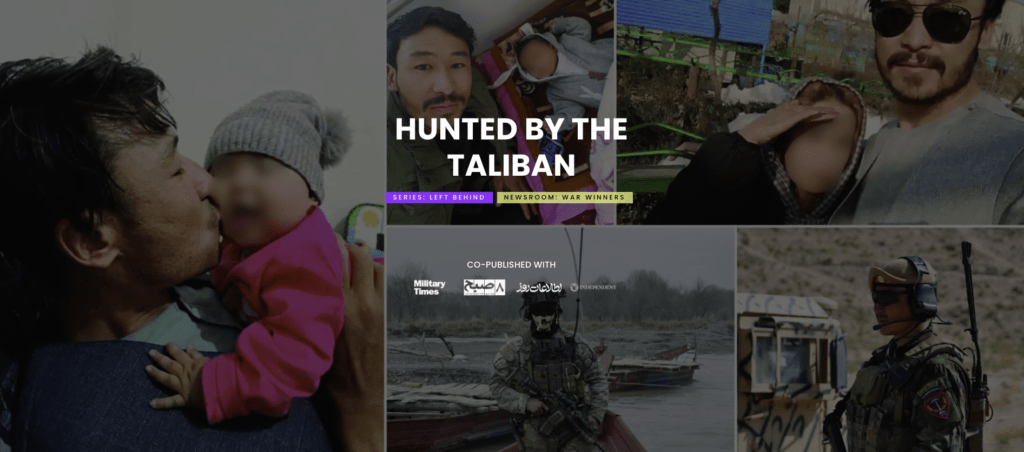
In our Left Behind series (which exposes the failures of Western countries to protect Afghan allies after the fall of Kabul) impact planning directly shaped both the framing and the publication partnership. Our latest in the series which focused on reprisal killings of US-linked Afghans, we recognised that any potential for change depended on reaching US veterans and conservative policymakers.
To do that, we partnered with Military Times and framed the reporting around US responsibility and commitments to those who had supported its forces. This shifted both the storytelling and distribution strategy to ensure the investigation spoke directly to audiences with the influence to act.
What strategies have you found most effective in translating complex investigations into formats that decision-makers can actually act on?
Once an investigation is published we make sure to send personalised emails to key decision-makers with a summary of the investigation and why we think it’s relevant to their work.
We also offer briefings when findings are particularly relevant.
How do you ensure that affected communities are not just subjects of reporting but participants in shaping the impact of the work?
Ensuring affected communities are participants rather than just subjects starts with engaging early and consistently, not only as sources, but as people with insight into the issue and its possible solutions. This means listening to their priorities and being transparent about what the reporting can and cannot do.
Throughout the process, their perspectives can shape what questions are asked, what evidence is prioritised, and how findings are framed. We also consider how the reporting is shared, through formats, languages, or partners that make it accessible and relevant to them.

How do you distinguish between meaningful impact and surface-level engagement when evaluating your projects? What signals matter most to you?
We use an impact framework that combines qualitative and quantitative indicators to assess whether reporting contributes to longer-term change. We focus predominantly on qualitative measures as ‘reach’ alone isn’t enough to create change.
Meaningful impact is reflected in how findings are used. For example, civil society organisations integrating findings into their campaigns/advocacy, policymakers referencing them in debates or legislation, or institutions responding publicly. We also track whether reporting shifts discourse, both in media and online, in ways that sustain attention on the issue.
For example, being first to land a story isn’t necessarily an important measure. We published an investigation last year on Syria’s Stolen Children that big players had covered. We knew that other, better resourced media might break the story before us. But we wanted to follow the lead of the Syrian journalists we were working with and involve the families of the detained children, so the work would make a difference for them. In the end, pressure built from the families themselves on their government and international organisations that led to tangible change.
Ultimately, the most important signals are those that show the journalism is not just seen, but acted on.
Looking back, what’s one impact outcome that surprised you—and what did it teach you about how journalism can drive change?
In December 2025 we published an investigation into ethnically motivated attacks by the Sudanese Armed Forces (SAF) against a farming community in Gezira state called the Kanabi. A few weeks after publication sources told us that the targeting of the Kanabi by SAF had stopped and SAF was working to reconcile with the Kanabi community. Sources told us that international exposure created pressure, compounded by EU sanctions against key leaders following the investigation.
What surprised us was the speed and scale of the response. It showed that even powerful military actors can be sensitive to coordinated scrutiny. It also reinforced the importance of understanding the pathways to impact and how journalism interacts with political, legal, and diplomatic levers to create pressure for change.