
Reinforcing the importance of journalism that is more sensitive, humane, and committed.
Brazil – Alma Preta: Meaningful Journalism: The Challenges facing Afro-Brazilian Children’s Rights
La agencia de noticias Alma Preta, fundada en 2015, se ha consolidado como un medio de comunicación especializado en la cobertura de temas étnico-raciales en Brasil. Su trabajo parte de la mirada de periodistas negros que documentan la realidad del país desde una perspectiva centrada en los derechos humanos, la seguridad, la cultura, la política y el comportamiento. Más que reivindicar una supuesta neutralidad, la agencia apuesta por un periodismo transparente, objetivo en su rigor informativo y comprometido con visibilizar las desigualdades y las contradicciones que atraviesan a la sociedad brasileña.
Alma Preta busca informar desde la perspectiva de las comunidades negras y periféricas, promoviendo el reconocimiento de sus conocimientos, culturas y derechos. Su línea editorial busca cuestionar las estructuras de poder y exigir respuestas del Estado frente a las desigualdades étnicas, de género, clase, sexualidad y territorio. Al mismo tiempo, la agencia trabaja con una diversidad de voces y formatos —desde contenidos escritos hasta producciones audiovisuales y para redes sociales— con el propósito de ampliar el alcance de estas historias y acercarlas a distintos públicos.
- Brazil
- Alma Preta
- 2026
- Brazil
- Alma Preta
- 2026
MAIN REVENUE MODEL
> The Story
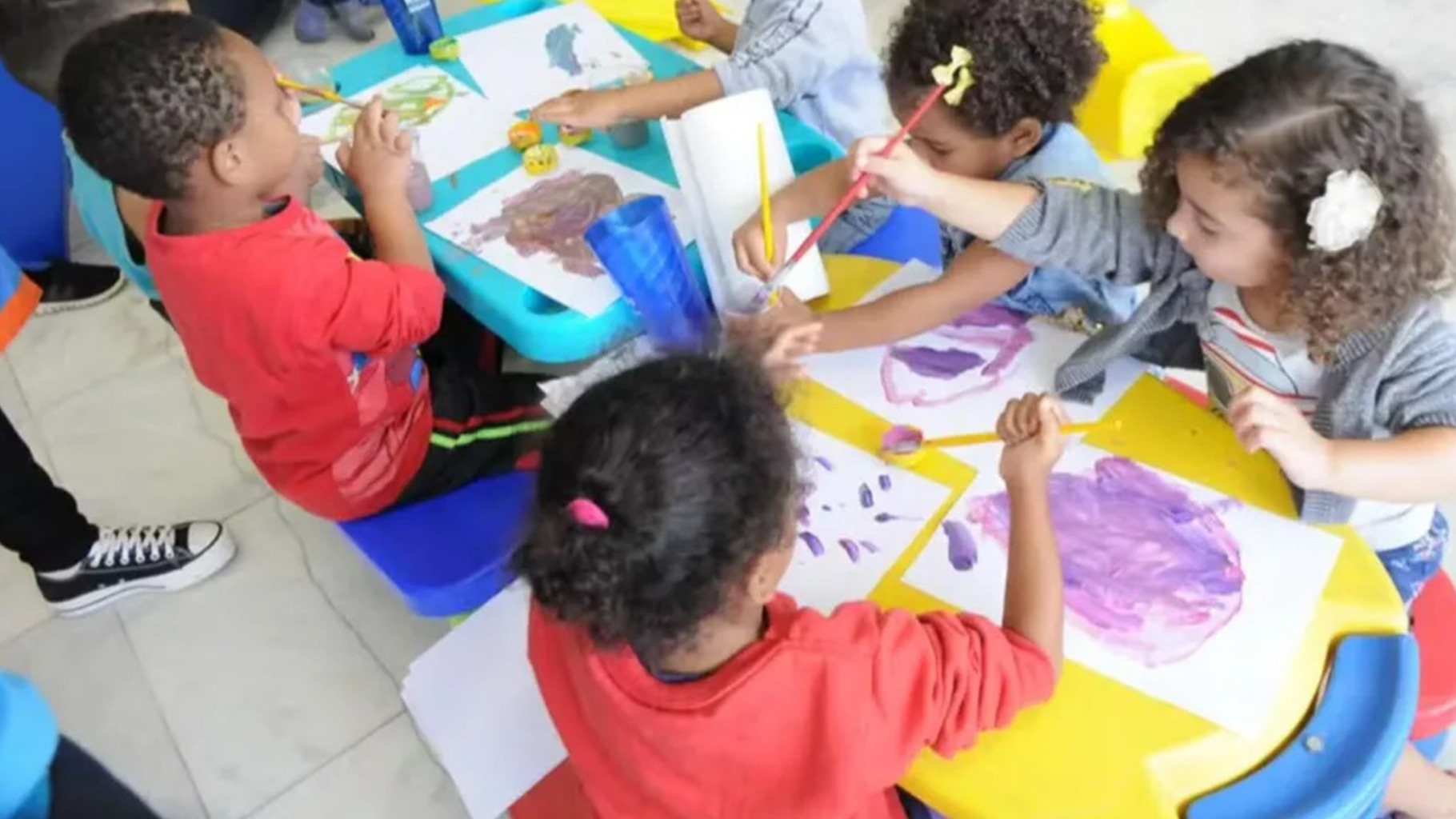
Brazilian newsroom Alma Preta’s reporting on the inequalities faced by Afro-Brazilian communities aims to show how structural racism and social inequalities permeate the lives of children and adolescents from early childhood onward in afro communities across Brazil.
By focusing on issues such as education, nutrition, access to culture, representation in the media, and the right to safe spaces, the Alma Preta’s coverage demonstrates how these disparities are not isolated incidents but rather part of a system that limits the holistic development of millions of children. At the same time, the stories highlight cultural and educational initiatives that seek to strengthen this population’s identity, self-esteem, and opportunities.
Children are exposed to an overwhelming amount of advertising for ultra-processed foods—a reality that particularly affects the most vulnerable communities; the learning disadvantages associated with the combination of ethnic diversity and socioeconomic status; the discrimination faced by young Afro-Brazilian children; and the lack of positive representation in children’s content. Against this backdrop, the emergence of works such as the book starring Vinícius Júnior and the new comic featuring Milena from *Turma da Mônica* represent symbolic steps forward that aim to provide role models with whom Black children can identify and through whom they can build a positive self-image.
Alma Preta de Brasil’s special coverage of this topic highlights that solutions require comprehensive public policies that combine inclusive education, regulation of advertising targeting children, the promotion of healthy eating, and equitable access to culture and public spaces. It also highlights the role of community organizations that use theater, art, and folk traditions to bring cultural experiences to early childhood, as well as the need to incorporate an anti-racist perspective into schools and government actions. The goal is not only to reduce inequalities but also to ensure that all children can thrive in safe, diverse environments free from discrimination.
Alma Preta’s reporting makes it clear that violations of children’s rights have effects that extend beyond childhood. A lack of opportunities, early discrimination, poor nutrition, and cultural exclusion have lifelong repercussions on health, academic performance, and social participation, perpetuating cycles of poverty and inequality. In contrast, when there are protective policies, positive representation, and community projects focused on children, the impact extends to entire families and strengthens the social fabric.
Multimedia & Sources:
- Alma Pretinha (Little black soul)
- Without regulations, advertising for ultra-processed foods reaches millions of children and adolescents
- The Vini Jr. Institute Launches a Children’s Book Inspired by the Brazilian National Team Forward
- “There’s a concern about not reinforcing stereotypes,” says screenwriter about Milena’s comic book
- Ethnicity and income determine learning opportunities in Brazil starting in early childhood
- Ultra-processed foods are encroaching on Black children’s diets and exacerbating food inequalities
- Film advocates for children’s right to occupy public spaces without violence
- Black children are already at a disadvantage by the time they start preschool, experts say
- Early childhood project brings popular culture and puppet theater to the Federal District
Impact Summary:
Summary
Alma Preta’s special reporting highlights how structural racism and social inequalities affect the development of Afro-Brazilian children from their earliest years. Through journalism focused on human rights and ethnic justice, the agency brings attention to issues that are often overlooked by the media, while documenting cultural, educational, and community initiatives that offer alternatives to ensure a safer, more inclusive childhood with greater opportunities.
External and Internal Network Impact
Alma Preta’s work has strengthened a collaborative network among journalists, social organizations, researchers, and cultural actors committed to racial equity. Its coverage has served as a meeting point for sharing evidence, experiences, and proposed solutions, consolidating an informational community that amplifies the voices of Afro-Brazilian populations and helps bring these issues to the forefront of public debate and within the outlet’s own editorial agenda.
External Individual Impact
The published stories have a direct impact on children, families, and readers by providing information that explains how structural inequalities affect daily life. At the same time, the positive portrayal of Afro-Brazilian figures, athletes, and cultural projects strengthens the identity and self-esteem of Black children, while raising awareness of rights and opportunities provides communities with the tools to understand and demand better living conditions.
Internal Individual Impact
The project also empowers the members of Alma Preta’s editorial team by creating a space where Black journalists can practice specialized journalism committed to their communities and to producing rigorous reporting on racial inequalities. This experience contributes to the team’s professional development and reinforces an editorial culture based on diversity, representation, and social responsibility.
External Institutional Impact
Alma Preta’s coverage provides journalistic evidence that can support the work of public institutions, civil society organizations, and academic centers dedicated to defending children’s rights. By documenting the consequences of discrimination in areas such as education, nutrition, and access to culture, the outlet fosters discussion on public policies aimed at inclusion, the regulation of advertising targeting minors, the promotion of healthy eating, and the incorporation of anti-racist approaches in schools and government actions.

