

By Alis Okonji
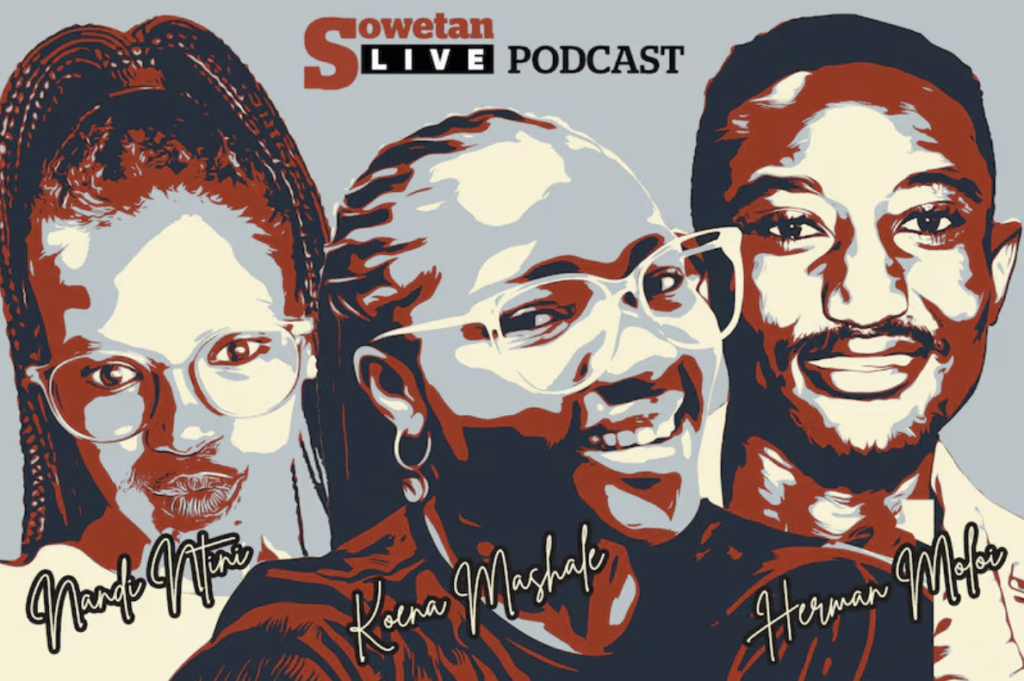
Each week, the voices behind the SowetanLIVE’s SL Cabinet podcast gather to unpack the stories shaping conversations across South Africa. Blending newsroom rigour with candid discussion, the team has created a space where hard news meets personality, giving listeners a fresh way to engage with politics, society, culture and the everyday realities facing young people. Their approach reflects a careful balance between journalistic responsibility and the authenticity audiences crave in digital media.
In this Q&A, hosts Koena Mashale and Nandi Ntini reflect on how trending topics make the cut, how they navigate objectivity while sharing personal perspectives, and why their chemistry works both on and off the mic. They speak openly about the chaotic behind-the-scenes process, the stories that sparked debate and listener reactions, and the lessons they have learned about building a serious news podcast in an entertainment-driven landscape. Together, they offer an honest look at what it takes to turn weekly headlines into meaningful conversation.
How did the three of you form this “Cabinet”? Was there a specific moment you realised your chemistry would work for a podcast? Why the name “SL Cabinet”? Does it represent a desire to provide the kind of accountability the real cabinet sometimes lacks?
Nandi : It began during my first month at the publication. It was Youth Month. During a meeting, one of our editors suggested we write a story comparing youth in the past and youth today.
I mentioned how interesting it would be to focus on the current challenges young people face, especially issues like matric results and how learners from public schools often feel left behind. Our chief editor then said, “Why don’t you start a podcast? A youth podcast.”
I was shocked. I had just arrived, and suddenly I was part of a big project.
When we recorded our first episode, it felt natural. I remember our editor sharing how he fell in love with journalism, how she would analyse newspapers bit by bit, noticing how journalists structured paragraphs. That passion inspired us.
When management told us they loved the podcast and wanted more episodes, the pressure began. Now it was serious. We had to plan recordings on Fridays, which were originally days we didn’t necessarily have to come in unless it was a weekend shift.
The stress, the anxiety, the planning, it was intense. But we gave it our all in the first two episodes. And we were good. The response was excellent, even award-winning-level feedback.
As for the name SL Cabinet? Honestly, it was random. It was around the time the ministers’ cabinet had just been announced. We weren’t overly strategic about it, the name just came up, and we stuck with it.
What does your “Cabinet meeting” look like before you hit record? How much of your banter is spontaneous?
Koena: All of our banter is spontaneous. I’d say that’s possible because we know each other well and work together beyond the podcast, so we understand each other’s reactions and personalities. We don’t act anything out; the only planned part is the script.
The script itself is usually drafted on the morning of the podcast, since many things happen during the week that we can’t predict. We outline the topics for discussion and then just go with it. Aside from the guiding topics, almost everything else is spontaneous.
Nandi : Our “cabinet meetings” look messy before we hit record.
We have to give credit to Koena, she holds us together, especially with the script. But the process is chaotic. We sit down and figure out what trended during the week. Then we ask: what stories did you work on? Do we have clips? Do we have voice-overs?
Sometimes we go through full YouTube videos just to extract a three-minute clip, whether it’s from the President or another official.
Often, we finalise the script just an hour before recording. By then, we’ve already carried the weight of the entire week, fatigue, deadlines, emotional stories, and now we must sound fresh and energetic.
It gets messy. Very messy.
But what makes it work is the unity. The support. The teamwork. We show up for each other, and that’s what makes SL Cabinet more than just a podcast.
The “Youthful Twist”: How do you decide which trending topics have enough substance to debate, and which are just social media noise?
Nandi : First and foremost, we look at the stories we covered during the week. The first step is balancing. We monitor what is trending on Twitter and what is getting people talking. For example, stories like the Cat Matlala and Matlanga stories were widely discussed and sparked strong reactions.
When we launched our first episode, we wanted to focus on something that resonated deeply with young people. Our trending topic had to speak to the youth, their careers, current challenges, and issues affecting their future. Throughout the week, we ask ourselves: Which story mattered to you as the writer? That personal connection helps guide our selection.
We also consider stories that directly affect the community, such as gender-based violence, which has become a serious cry for help in our society. However, we are intentional about balance. We avoid having too many heavy stories: too much crime or too much politics. We mix it up. We include sports, for example, and that’s where our colleague Hamming comes in. He brings energy and youthfulness to the conversation.
Even though we report on serious crime and hard news, we aim to make our engagement relatable and accessible. The goal is not only to inform, but also to connect.
As SowetanLIVE reporters, how do you balance objective reporting with the podcast’s more personal, opinionated style
Nandi: To be honest, I sometimes have to remind myself to remain objective. Koena often reminds us, “comments, comments,” and we always include a disclaimer.
This podcast is our free platform. Yes, we’ve written these stories formally for print, but here we can voice what we genuinely think about what is happening in our country. As journalists, we cannot include our personal opinions in our reporting. However, this platform allows us to analyse and express our opinions.
That said, we try very hard not to sound biased or overly critical. Even when we share opinions, we remain mindful of unity and neutrality. We are not disrespectful. Our ethics are always at the back of our minds. It’s a space filled with respect, a free but responsible space, where we analyse stories beyond how we may have framed them in print.
What role should journalists play when political discourse becomes increasingly polarised and emotionally charged
Nandi: We live in a world that is increasingly polarised and emotional, especially in political contexts. As a journalist, it is crucial to remain a trusted source.
I cannot be seen inserting my emotions into political matters. Whether it involves the ANC, EFF or DA, my responsibility is to appear balanced. When I am balanced, I can focus on rigorous fact-checking and present information without leading people in a specific direction.
It’s about balanced reporting rather than sensationalism. It gives me the opportunity to produce more in-depth stories with appropriate context and background. Most importantly, it allows readers and listeners to form their own opinions. My role is to provide multiple viewpoints and ensure I don’t lose my audience by being one-sided.
What is a story from the past year, like the GNG tensions or Stilfontein, where cabinet members strongly disagreed with each other?
Koena: I think the stories we most often disagree on revolve around either police capacity or the school education system. When I reference the school education system, I’m mainly referring to admissions and how people access schools. But more frequently, the disagreements concern police capacity—their slow processes and limited resources.
This comes up frequently because many of our stories involve situations where the police either haven’t arrested someone or have acted too quickly, which then leads to court backlogs. So, discussions often turn to what the police can and cannot do. For example, in situations like the Stilfontein mine—or more broadly the Zamazama situation—there’s always debate about whether the police have the capacity but lack the will. The conversation usually becomes: What are they supposed to do if the community isn’t helping? Or, but they don’t have the budget, so we can’t blame them for everything. It’s a back-and-forth discussion, and we usually end with “let’s agree to disagree” and move on.
Of all the stories covered, from the Marang Commission to the G20 summit fallout, which one resonated most with your listeners?
Koena : The Madlanga Commission resonated the most. The G20 was fine, but the only notable feedback was that it was generally seen as successful and well-received by the visiting presidents and representatives. The Madlanga Commission sparked the most interaction, especially around discussions about the tycoons, so I’d say that’s what resonated most with the audience.
What’s the biggest lesson you’ve learned about the South African media landscape since launching the show?
Koena: It’s very difficult for accurate information to take the spotlight. Part of this is because we’re a relatively young podcast and can’t always be consistent due to our schedules. Also, unlike most podcasts that focus on entertainment, we function more like a radio station translated into visuals. People often watch podcasts for entertainment, but we provide news updates and analysis.
It’s challenging to branch into a space where your content isn’t purely for entertainment, especially when people aren’t necessarily willing to watch a 30-minute video on serious topics. Essentially, we’re providing a longer, more in-depth version of weekly news TV shows. That’s been one of the biggest lessons for me.
With the recent Sowetan brand refresh, are there plans to expand the podcast into live events or listener-interactive segments?
Koena: We plan to expand the podcast into live entertainment and interactive listener segments. We want to have more guests, but inconsistent schedules make this difficult. Sometimes we have court obligations or other unpredictable events, so we can’t set a fixed podcast day.
By including more guests, we aim to push ourselves to be more consistent and make the show more interactive. That’s the main goal behind the brand refresh.